The idea: one decision that sees the connections
Water, forests and ecotourism are not merely adjacent headings. A choice in one can support or put pressure on another. The Northern Jordan Valley planner connects visitor water demand with a limited budget for water, conservation, participation and monitoring. It produces an editable summary and consultation questions for a learning workshop or local discussion. It does not calculate investment feasibility or determine a site’s ecological carrying capacity.
The visit that inspired the question
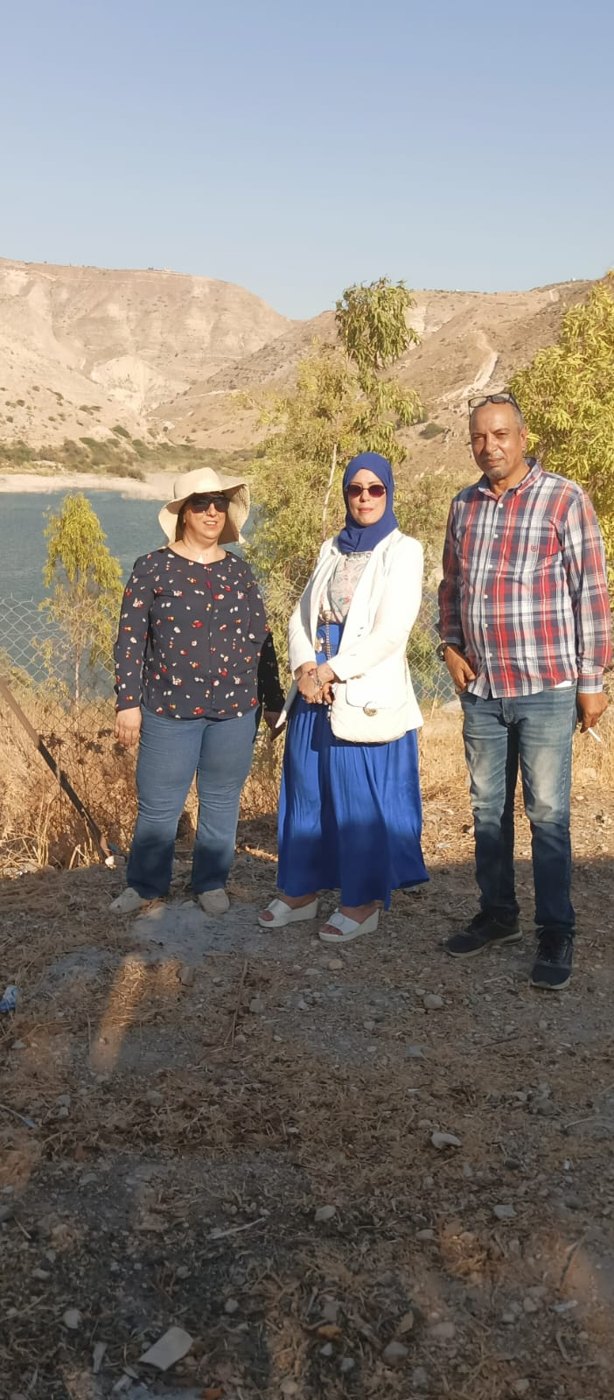
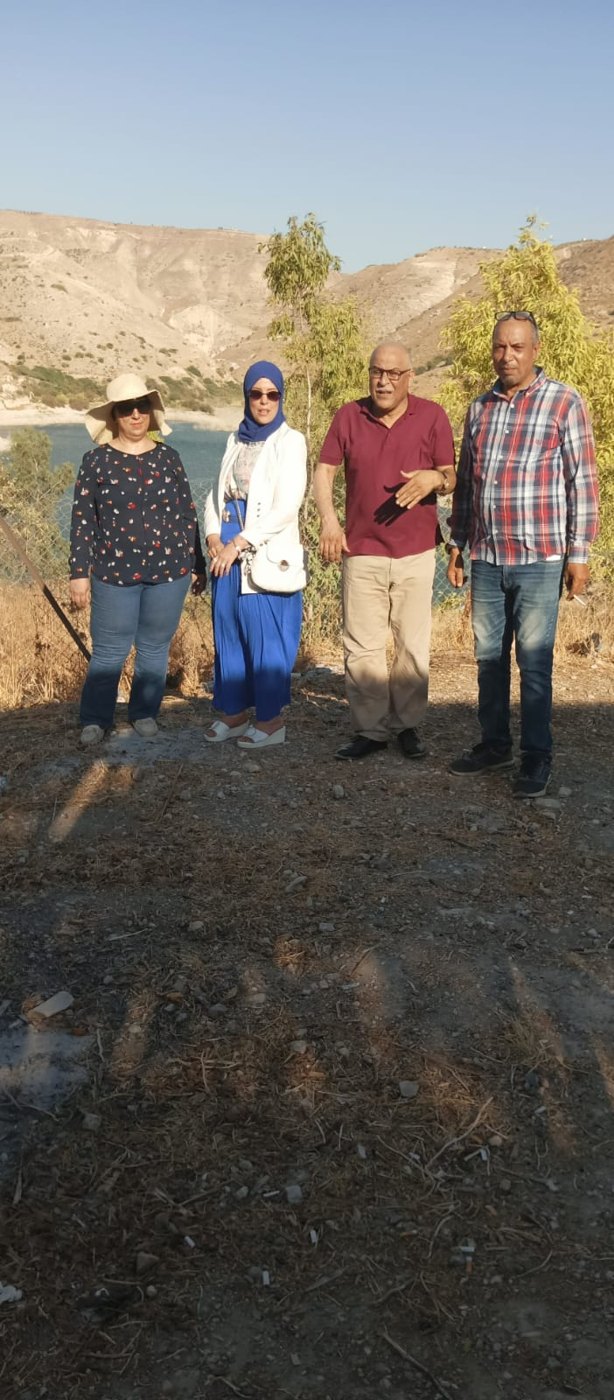
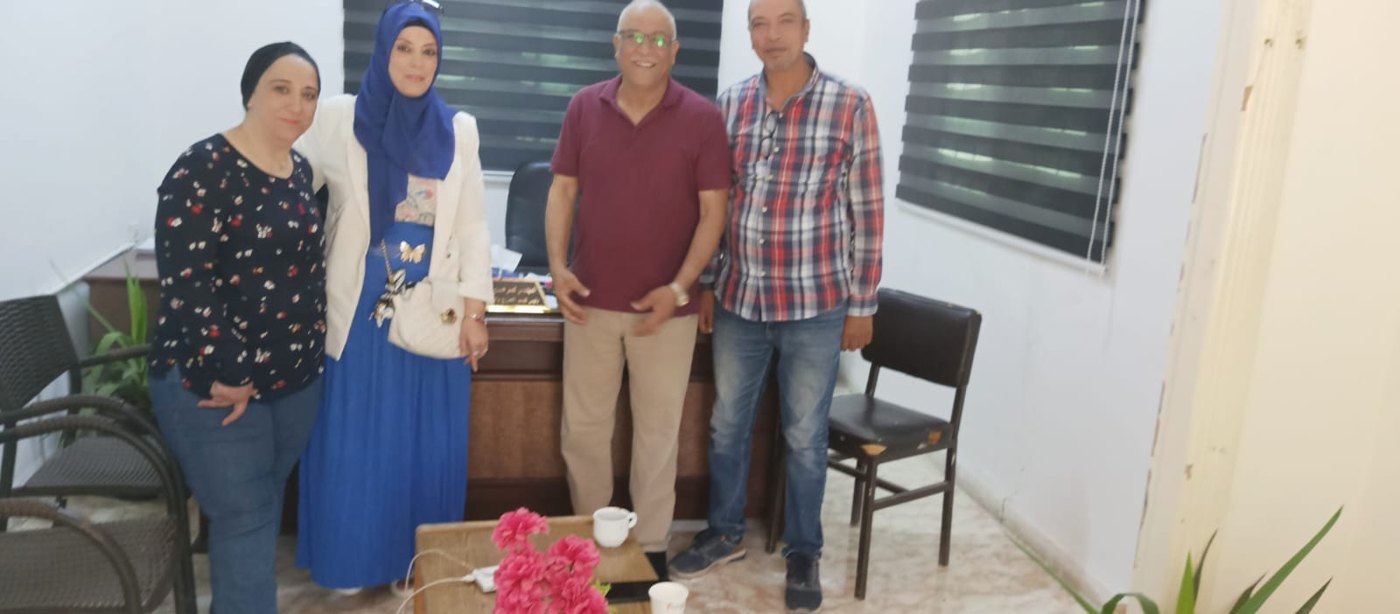
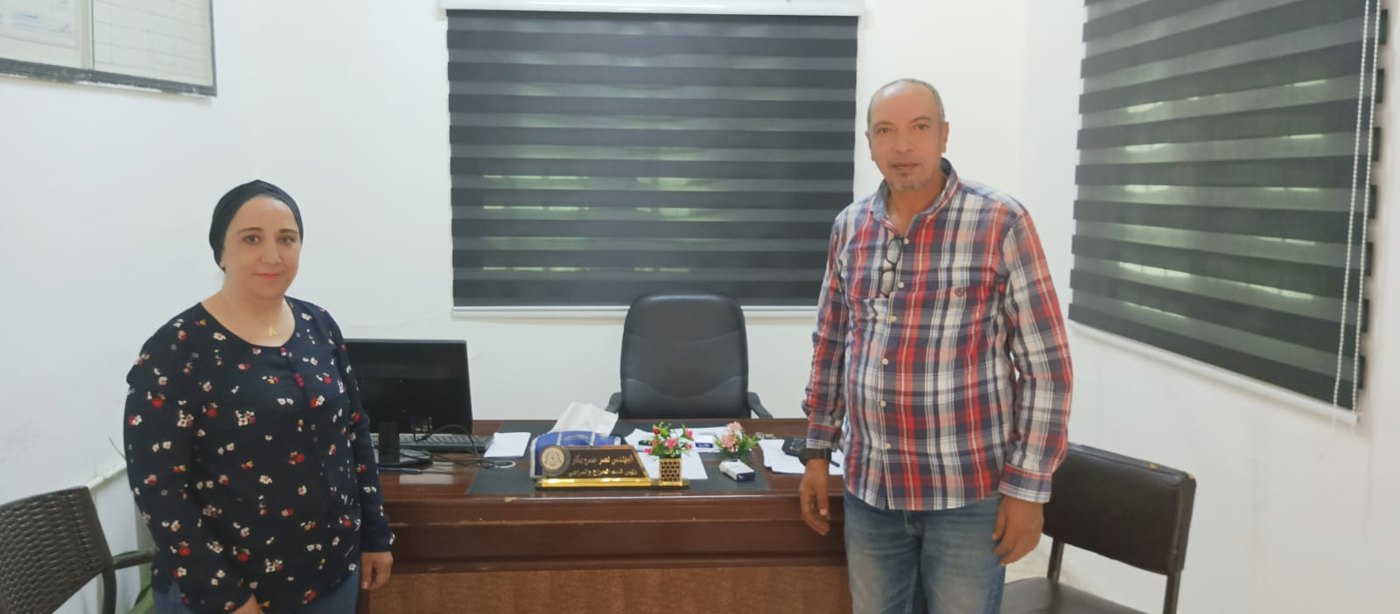
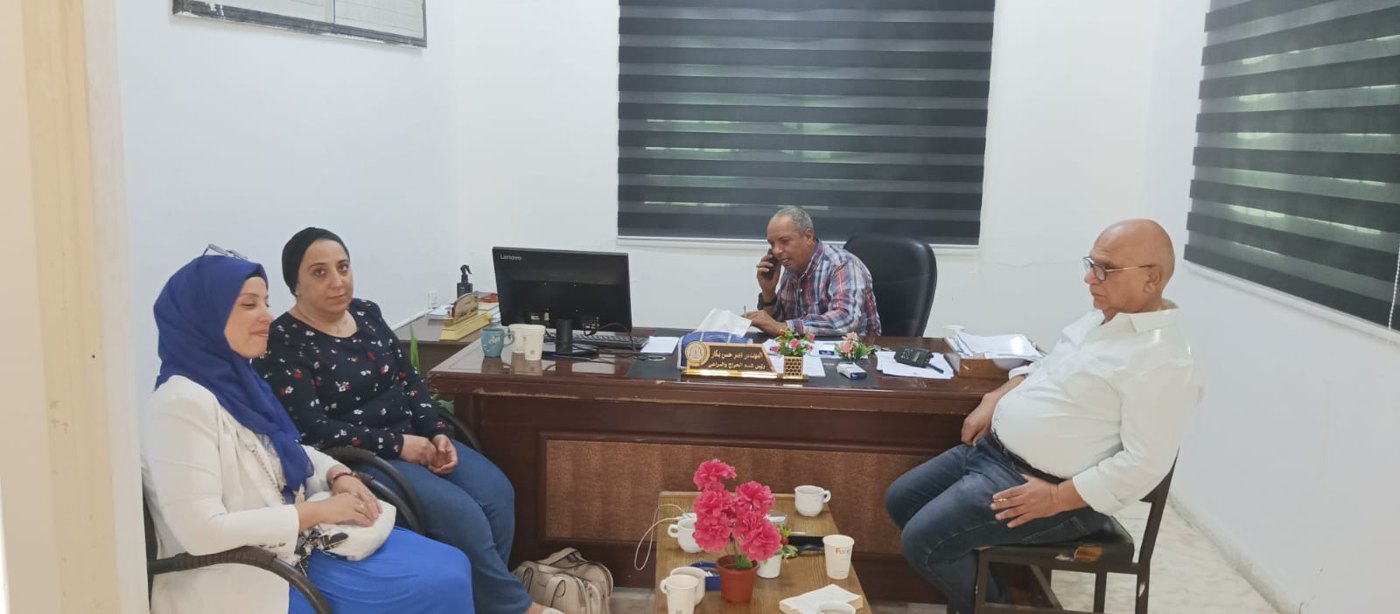
Ammon’s report published on 13 September 2026 describes DJAIRI exploration in the Northern Jordan Valley, including Ziglab Dam, Jordan EcoPark and meetings with local actors. Five institution-supplied photographs are associated with this innovation: waterside scenes and indoor meetings. The report’s publication date is known; exact dates for individual images are not established in the files. We do not attribute an agreement, funding or implemented results to these encounters.
Source: DJAIRI explores water, forests and ecotourism in the Northern Jordan Valley (Arabic report) — Ammon News · 2026-09-13 · Accessed: 8 October 2026.
Worked example: do resources cover a visit?
Fictional example: 20 visitors daily for 5 days, 6 litres per visitor and 500 litres allocated to visits. Demand = 20 × 5 × 6 = 600 litres; shortfall is 100. We do not automatically take the difference from forest irrigation. A learning budget of 1,000 currency units allocates 30% to water, 35% conservation, 25% participation and training, and 10% monitoring: 300, 350, 250 and 100. The total balances but does not establish that actual costs are covered.
A short plan with four commitments
Choose a specific need, such as “a learning visit that does not compete with conservation water.” Identify who discusses the decision by role, not personal name. Keep visitor water separate from essential and agricultural demand. Make budget shares total 100% and name the work each supports. Define a review indicator and a reason to pause: water shortfall, documented damage or missing consent. The planner assembles a record from your choices and exposes shortfalls; it does not infer community consent.
An activity linking calculation with participation
Change daily visitors to 15: demand becomes 450 litres, leaving 50. That balances the allocated water arithmetic; it does not establish ecological or social suitability. Discuss alternatives such as fewer visit days or service improvements that retain quality. Record a question for each role: residents on priorities, specialists on environment and safety, authorities on permissions and maintenance. The blue–green resilience framework in the vision is a research idea; this site issues no financial bond and solicits no investment.
Try, adjust and retain the result
Begin with the example, then change inputs. Results are local educational calculations, not generative AI. This package does not save your inputs. Use fictional or general data only.
Local calculations, with no generative model or input storage. Bounds manage the exercise; they are not design standards.
Load an example or enter your values.
Institution photographs: fourth innovation
Open an image to see it in full. These are documentary images supplied by the institution, not generated images or evidence of measured impact.